Blown-in insulation is one of the most effective ways to improve energy efficiency, especially in attics where heat loss and air movement are most common. By creating a dense, even layer of insulation, it helps stabilize indoor temperatures and reduce strain on your HVAC system.
At Insulation King, we install blown-in insulation in attics and existing homes to improve comfort, lower energy costs, and correct underperforming insulation.
Blown-in insulation is designed for areas where traditional materials struggle to provide full coverage. It performs best in open spaces and existing structures where access is limited.
Delivers consistent coverage across attic floors, helping reach recommended insulation levels.
Can be installed through small access points, making it a practical option for finished homes.
Helps reduce sound transfer and improves insulation between living spaces.
Fills around wiring, plumbing, and framing where other insulation types may leave gaps.
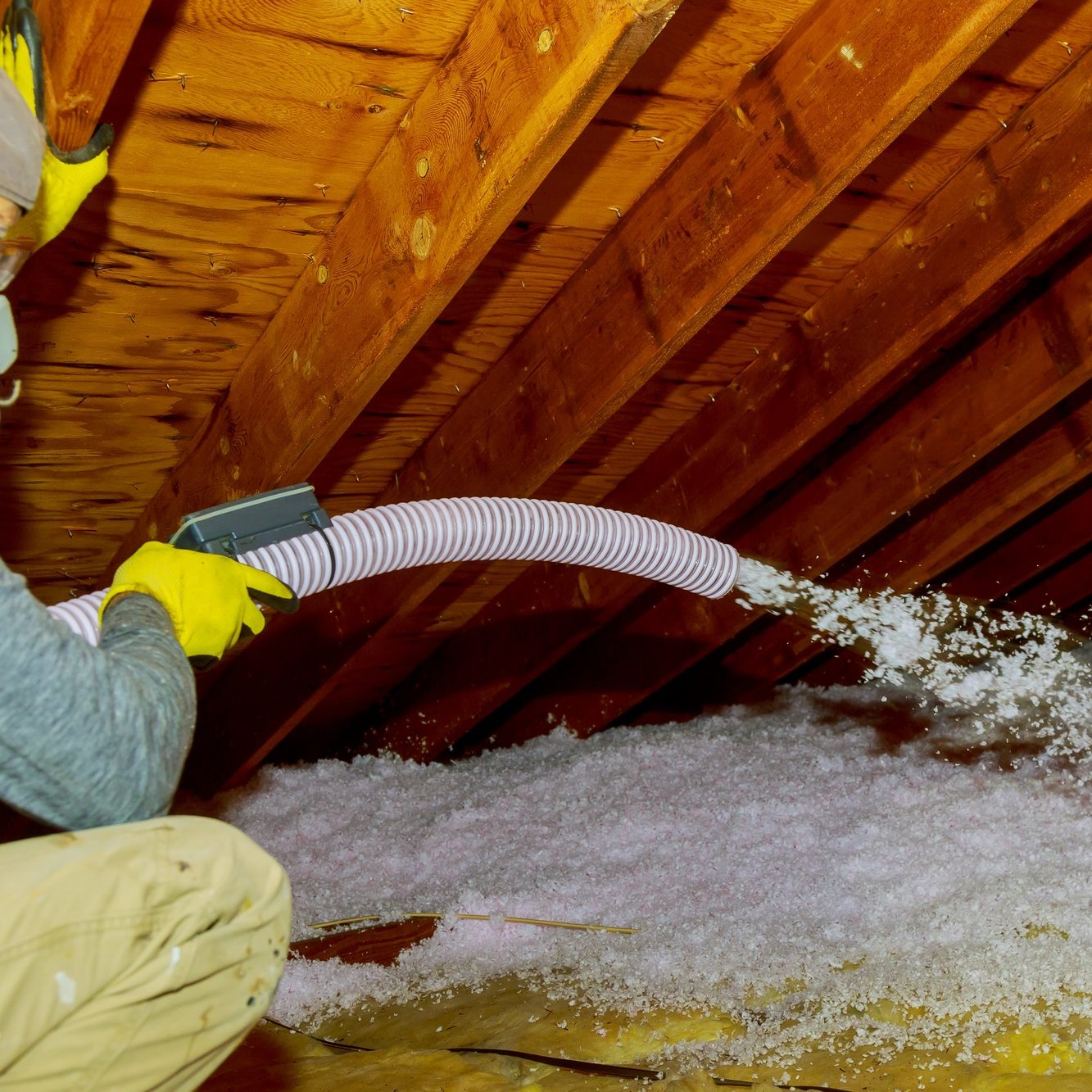
Attics are the most common place for blown-in insulation because they are a major source of energy loss. Many homes have insufficient insulation levels or areas where insulation has settled over time.
Blown-in insulation allows us to quickly bring attic insulation up to modern standards while improving coverage across the entire space. It is also a strong option for retrofit projects, where improving performance without major disruption is a priority.
When paired with proper air sealing and ventilation, blown-in insulation becomes part of a complete system that improves comfort and efficiency year-round.
Creates a uniform insulation layer that reduces gaps and improves overall performance.
Can be installed quickly in attics and existing structures with minimal disruption.
Helps maintain indoor temperatures by reducing heat loss in winter and heat gain in summer.
Can often be added on top of existing insulation to improve total R-value.
Pairs well with air sealing and ventilation upgrades for better overall performance.
Provides noticeable comfort and efficiency gains without the cost of full remodels.
Every project begins with a detailed evaluation of your attic or targeted areas. We assess current insulation levels, identify gaps or inconsistencies, and check for airflow or ventilation issues that could affect performance.
Before installing new insulation, we address any major air leaks when needed. This step helps ensure the blown-in insulation performs as intended and prevents conditioned air from escaping.
We then use professional equipment to install the insulation evenly across the space. Careful attention is given to depth and distribution so the entire area meets performance expectations.
Once installation is complete, we review the coverage, confirm proper ventilation, and clean the workspace. We walk you through the results so you understand what was improved and what to expect moving forward.

Blown-in insulation is a common solution for improving attic performance, but many homeowners want to understand how it works and when it makes sense. These answers cover the most important considerations.
If your home feels drafty, has uneven temperatures, or your energy bills are increasing, your attic insulation may be insufficient or settled.
Yes, in many cases it can be installed over existing insulation as long as it is dry and in good condition.
Blown-in insulation is typically made of fiberglass or cellulose, both of which provide reliable thermal performance when installed correctly.
Most attic projects can be completed in a few hours, depending on size and accessibility.
It can help reduce sound transfer, especially between floors and from outside noise sources.
Some settling can occur, but proper installation accounts for this to maintain long-term effectiveness.
Many homeowners notice improved comfort and more consistent temperatures soon after installation.
We take steps to protect your home and minimize dust during installation. Clean-up is included after the job is complete.