At Insulation King, we install high-performance attic fans designed to improve airflow, protect roofing materials, and reduce strain on your cooling system. Our team evaluates your entire attic system to ensure the fan works efficiently alongside your insulation and intake ventilation.
Attics can reach extremely high temperatures during warmer months, especially when ventilation is limited. Without proper airflow, heat and humidity build up, which can affect both comfort and the long-term health of your home.
An attic fan can be a valuable upgrade for homes that struggle with excessive attic heat or moisture buildup. However, it works best as part of a balanced system that includes proper intake vents, insulation, and air sealing. During our inspection, we evaluate whether an attic fan is the right solution or if other improvements would deliver better results.
When installed correctly, an attic fan helps move hot, humid air out of the attic while allowing cooler outside air to enter through intake vents.
Attic fans help remove trapped heat before it radiates into your living space through the ceiling.
A cooler attic reduces the workload on your air conditioner during hot months.
Moving humid air out of the attic helps reduce condensation, mold growth, and wood rot.
Lower attic temperatures help protect shingles, roof decking, and other roofing materials from heat damage.
We install a range of attic fan systems based on your home’s needs, including roof-mounted, gable-mounted, electric, and solar-powered models.
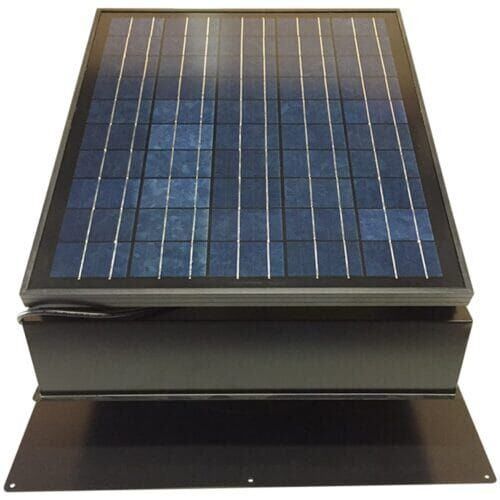
One of the most popular options we offer is a high-efficiency solar attic fan, designed for strong performance with no added energy cost. These systems use a 40W or 65W solar panel to deliver consistent airflow while operating quietly and efficiently.
Each unit includes a built-in thermostat and humidistat, allowing the fan to automatically respond to temperature and moisture levels in your attic. The brushless DC motor is designed for long-term reliability with virtually no maintenance, while the powder-coated steel housing provides durability against weather, corrosion, and impact.
The adjustable solar panel can be angled for optimal sun exposure, helping maximize performance throughout the day. These systems are also backed by a lifetime parts warranty, giving you long-term confidence in your investment.
We evaluate the entire attic system including airflow, insulation, and intake vents to ensure the fan operates effectively.
Attic fans must be sized correctly for the attic volume and ventilation capacity. We calculate the right airflow to avoid underperformance or excessive suction.
We install reliable attic fans including roof-mounted, gable-mounted, solar-powered, and smart thermostat-controlled models.
Our team cuts, mounts, seals, and flashes all components carefully to prevent leaks and maintain roof integrity.
We help ensure the fan works alongside insulation and ventilation so your cooling system operates more efficiently.
Our installers protect your property during installation and leave the workspace clean when the project is finished.
Every attic fan installation begins with a detailed inspection of your attic space. During this evaluation, we examine insulation levels, intake vents, airflow pathways, and existing ventilation components. We also assess attic volume, roof design, and heat exposure to determine whether an attic fan will improve performance.
Once we understand the attic system, we recommend the appropriate fan type and airflow capacity. This includes determining the correct CFM rating, selecting the best mounting location, and ensuring there is adequate intake ventilation to support proper airflow.
Before installation begins, our team prepares the work area and protects the surrounding space. We then install the fan by cutting the roof or gable opening, securing the fan housing, sealing the unit, and installing proper flashing to ensure the roof remains weather tight.
After installation, we test the fan and verify airflow performance. We check that the fan activates correctly, confirm proper ventilation balance, and make sure no unintended air is being pulled from inside the home. Finally, we walk through the installation with you, explain how the system works, and provide guidance on maintenance and operation.

Many homeowners have questions about attic fans and how they affect home comfort and energy use. While attic fans can be very effective, their performance depends on proper installation and a balanced ventilation system. The questions below address some of the most common concerns about attic fan installation and operation.
Attic fans can lower attic temperatures significantly during hot weather. Many homes experience reductions of 10 to 25 degrees in attic temperature, which helps reduce heat transfer into living spaces.
In some homes it can. By lowering attic temperatures, your air conditioner may not need to work as hard during hot weather. The actual savings depend on insulation levels, fan size, and overall attic design.
Solar attic fans run using sunlight and do not draw power from your home. Electric attic fans typically provide more consistent airflow and can be controlled with thermostats or humidity sensors. The best option depends on your roof exposure and ventilation needs.
Most attic fans operate automatically using thermostats or humidistats. The fan turns on when attic temperatures or humidity levels reach a set threshold.
When installed properly, attic fans produce minimal noise. Proper mounting and isolation prevent vibration from transferring into the living space.
No. Attic fans are designed to work alongside passive ventilation systems. Proper intake vents such as soffits are necessary for the fan to operate effectively.
Modern attic fans with thermostats and dampers minimize winter airflow issues. When combined with proper insulation and air sealing, winter heat loss is typically minimal.
Most attic fan installations can be completed in a few hours, depending on attic access, roof structure, and electrical requirements.