
Gable vents are a simple but important part of a well-functioning attic ventilation system. When installed correctly, they help remove heat and moisture while supporting proper airflow throughout your attic.
At Insulation King, we provide gable vent installation and repair to help improve comfort, protect your roof, and support long-term energy efficiency. Whether you are upgrading existing vents or adding new ventilation, we make the process straightforward and effective.
Your attic plays a major role in how your home handles heat and moisture. Without proper ventilation, trapped air can lead to higher energy costs, moisture problems, and premature wear on roofing materials.
Gable vents help create consistent airflow by allowing hot, humid air to escape while supporting intake from other ventilation sources.
Helps release trapped heat in the attic, especially during warmer months.
Allows damp air to escape, reducing the risk of condensation, mold, and wood damage.
Improves attic conditions so your HVAC system does not have to work as hard.
Helps protect shingles, decking, and structural components from heat and moisture damage.
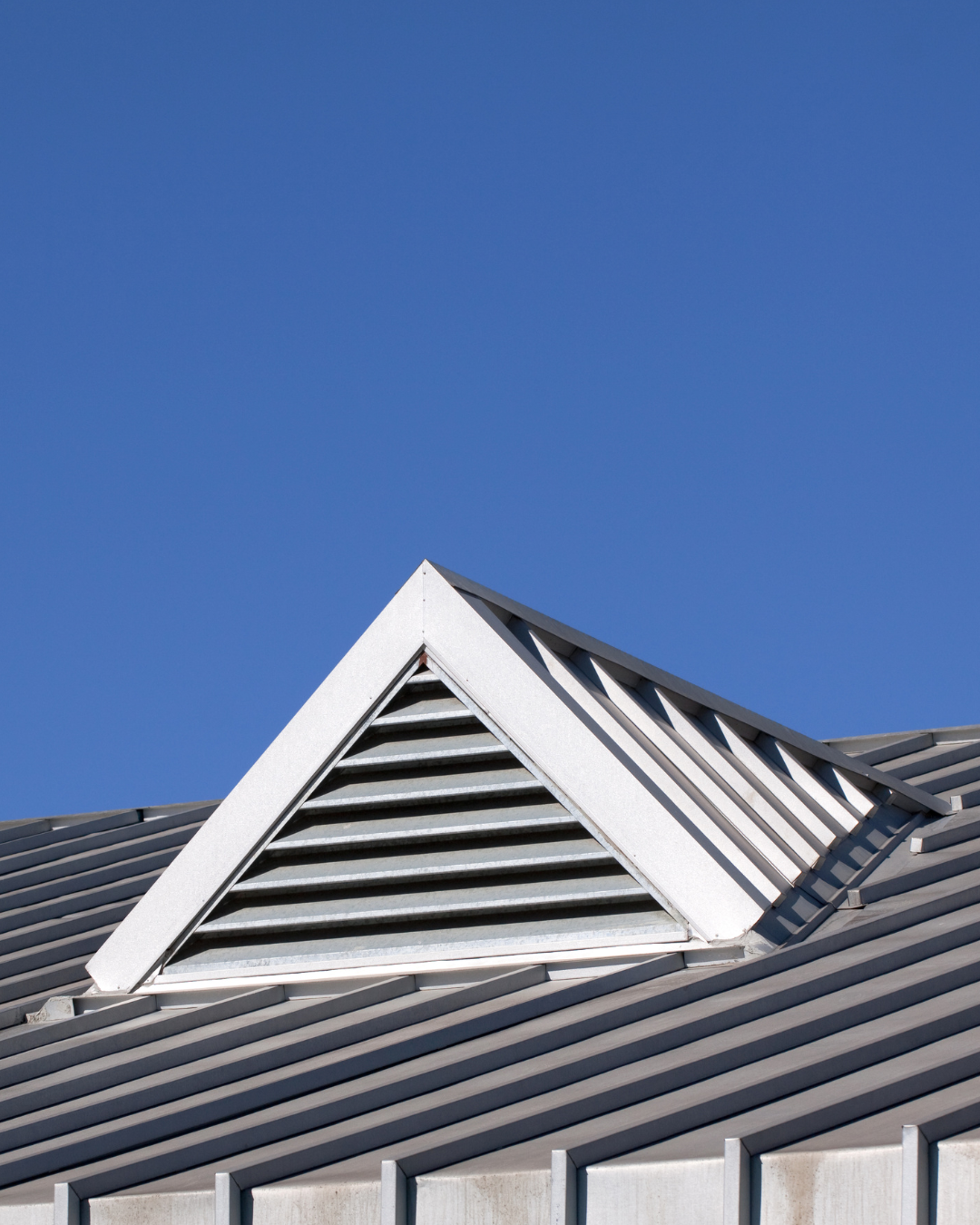
Gable vents are a practical solution for many homes, especially when paired with other ventilation components like soffit vents or attic fans. They are commonly used in homes where ridge venting is not possible or where additional airflow is needed.
We install and service a variety of gable vent styles, including standard louvered vents, decorative options, and upgraded materials designed to handle Midwest weather conditions. Whether your home is older or newly built, we design ventilation solutions that match both performance needs and appearance.
Works with intake vents to create steady airflow throughout the attic.
Provides meaningful airflow improvements without major structural changes.
Can be combined with ridge vents, soffit vents, or attic fans for better performance.
Reduces the likelihood of mold, rot, and condensation buildup.
Enhances both ventilation and curb appeal with a range of vent designs.
Works well in homes where other ventilation methods may not be ideal.
Every project starts with a detailed inspection of your attic and existing ventilation system. We evaluate airflow, insulation levels, and moisture conditions to determine how gable vents will improve performance.
Based on this assessment, we recommend the right vent size, style, and placement. Proper sizing and positioning are key to ensuring the system works efficiently and does not disrupt airflow balance.
Before installation, we prepare the work area and protect your home’s exterior. Our team then installs or repairs the gable vent by cutting and framing the opening as needed, securing the vent, and sealing it properly to prevent water intrusion.
After installation, we check airflow performance and ensure the vent integrates properly with the rest of your attic ventilation system. We finish with a walkthrough so you understand the improvements and what to expect moving forward.

Gable vents are a simple but important part of attic ventilation, and many homeowners want to understand how they work and when they are needed. The answers below cover the most common questions about installation, performance, and maintenance.
A gable vent is installed on the exterior wall of your attic and allows hot, humid air to escape while supporting airflow from intake vents.
They serve different purposes. In some homes, gable vents are used instead of ridge vents, while in others they work together as part of a balanced system.
Yes. By reducing attic heat buildup, they help your cooling system operate more efficiently.
Properly installed vents are designed to minimize water intrusion while still allowing airflow.
The number and size depend on attic size and existing ventilation. We calculate this during the inspection.
They help reduce moisture buildup, which lowers the risk of mold and condensation issues.
Most installations can be completed within a few hours to a day depending on the project.
Minimal maintenance is needed, but occasional checks for debris or damage are recommended.