
Open-cell spray foam insulation is a versatile solution that helps seal air leaks, reduce noise, and improve overall home comfort. Its expanding structure allows it to fill gaps and hard-to-reach areas that traditional insulation often misses.
At Insulation King, we install open-cell spray foam in attics, walls, and ceilings to create a more efficient and comfortable living space. Whether you are upgrading insulation or starting a new project, we help you choose the right solution for long-term performance.
Many homes struggle with uneven temperatures, noisy living spaces, and rising energy costs. These issues are often caused by air leaks and gaps that traditional insulation does not fully address.
Open-cell spray foam helps solve these problems by creating a more controlled and comfortable indoor environment, especially in areas where airflow and sound transfer are common concerns.
Expands into cracks and gaps to reduce drafts and improve overall airflow control.
Helps reduce noise transfer between rooms, floors, and shared living spaces.
Creates a more consistent indoor temperature by limiting unwanted air movement.
Works well in walls, ceilings, and attic spaces where full cavity coverage is important.
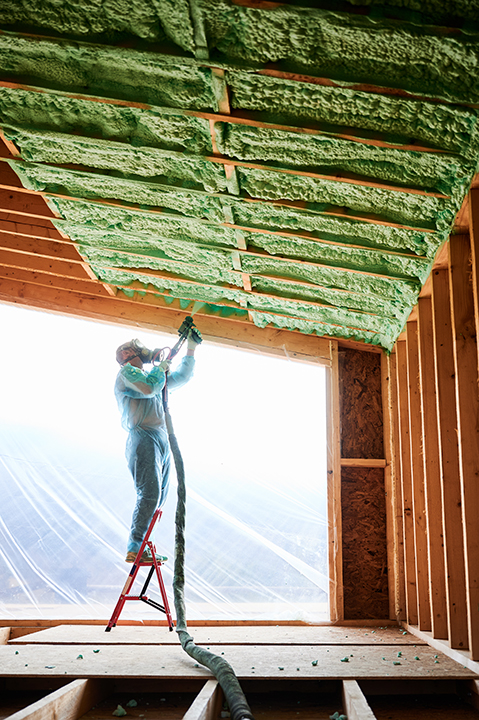
Open-cell spray foam is commonly used in interior applications where air sealing and sound control are priorities. It performs well in wall cavities, attics, and between floors, especially in areas where traditional insulation may leave gaps.
Because it expands to fill irregular spaces, it is ideal for retrofits and remodeling projects. It is also a cost-effective option for homeowners who want the benefits of spray foam without the higher cost of closed-cell insulation.
While it is not designed to act as a moisture barrier, it performs well in areas where ventilation and moisture control are properly managed.
Open-cell foam expands to fill gaps and seal air leaks, helping reduce drafts throughout your home.
Its soft structure helps absorb sound, making it ideal for interior walls, ceilings, and shared spaces.
Provides many of the benefits of spray foam at a lower cost than closed-cell insulation.
Fills irregular cavities and hard-to-reach areas where traditional insulation may fall short.
In properly designed systems, it allows some vapor movement, which can help manage moisture.
Works well in attics and wall cavities where full coverage and air sealing are needed.
Every project begins with a detailed inspection of the areas where insulation will be applied. We evaluate existing insulation, airflow issues, and moisture conditions to determine where open-cell spray foam will provide the most benefit.
After the assessment, we create a clear plan outlining where the foam will be installed, how thick it will be applied, and what preparation is required. This ensures you understand the process and expected results before work begins.
Before installation, we prepare the space by protecting nearby surfaces and ensuring proper conditions for application. Spray foam must be installed under the right temperature and airflow conditions to perform correctly.
Our technicians then apply the open-cell spray foam using professional equipment. The foam expands to fill cavities, seal gaps, and create a consistent insulation layer. We focus on edges, corners, and transitions to ensure full coverage.
Once the foam has cured, we inspect the installation to confirm proper expansion and performance. We then clean the work area, review the completed project with you, and answer any questions you may have.

Open-cell spray foam insulation is a popular choice for improving comfort and reducing noise, but many homeowners want to understand how it works and when it should be used. The questions below cover the most common concerns about installation, performance, and long-term value.
Open-cell spray foam is a lightweight, expanding insulation material that fills cavities and creates an air-sealing barrier.
Open-cell foam is softer and more flexible, with a lower R-value per inch. Closed-cell foam is denser, provides higher insulation value, and offers stronger moisture resistance.
It is commonly installed in attics, wall cavities, ceilings, and between floors where air sealing and sound control are important.
Yes. Its structure helps absorb sound and reduce noise transfer between rooms.
Yes. It helps reduce air leakage and improves temperature consistency throughout the home.
When installed correctly in the right areas, it performs well. It should be used in spaces where moisture is properly managed.
Smaller areas may take a few hours, while larger projects such as attics can take one to two days.
Most homeowners notice improved comfort, fewer drafts, and better sound control shortly after installation.
Yes. It is often used alongside other insulation types to create a complete system.