At Insulation King, we believe proper attic ventilation is an essential, but often overlooked, component of a well-performing home. Based in Mishawaka, IN, and serving Northern Indiana and Southwest Michigan, we design and install attic ventilation systems that protect your structure, reduce energy costs, and manage moisture. Whether your attic overheats in summer or you struggle with ice dams in winter, we’re the local experts who’ll walk you through what’s needed, clearly, efficiently, and respectfully.
Attic ventilation allows fresh air to enter and warm, humid air to escape. Without proper airflow, your attic can trap heat in the summer and moisture in the winter, which can affect your roof, insulation, and indoor comfort.
A well-designed ventilation system helps protect your home while improving energy efficiency.
Proper airflow allows excess heat to escape from the attic, helping keep upper floors cooler during warm weather.
Ventilation removes humid air that can lead to condensation, mold growth, and wood rot.
A properly ventilated attic helps keep roof temperatures more consistent, reducing the chance of snow melt and refreezing at the eaves.
Lower heat and moisture levels help protect shingles, roof decking, and other roofing materials.
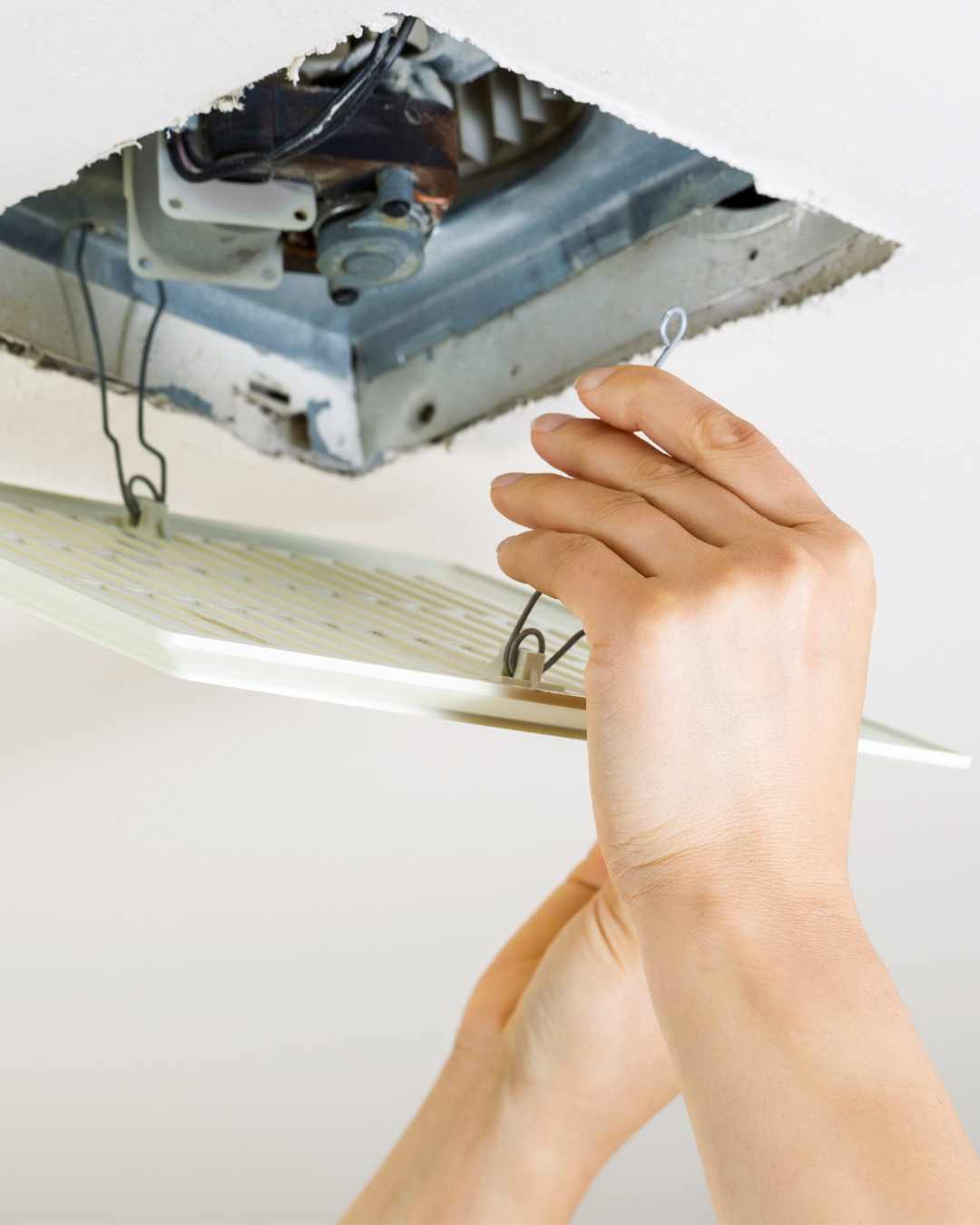
Attic ventilation works best when intake and exhaust vents are balanced. Intake vents allow cooler outside air to enter the attic, while exhaust vents allow warm air to escape. When these components work together properly, air moves naturally through the attic and prevents heat or moisture from becoming trapped.
During our inspection, we evaluate your current ventilation setup to determine whether improvements are needed. In some homes, this may involve adding soffit vents for better intake airflow. In others, additional ridge, roof, or gable vents may be necessary to improve exhaust ventilation.
Because ventilation interacts closely with insulation and air sealing, we often look at the entire attic system to ensure everything works together efficiently.
We evaluate insulation, airflow, and ventilation together to create a system that works efficiently.
Our team understands how seasonal temperature swings and humidity affect attics and roofing systems.
We carefully calculate intake and exhaust ventilation so airflow moves naturally through the attic.
We install durable vents with proper flashing, screening, and sealing for long-term reliability.
Our installers work carefully and leave your home clean once the project is complete.
If ventilation improvements are not needed, we will explain the best solution rather than recommending unnecessary work.
Every attic ventilation project begins with a full attic inspection. During this evaluation, we examine existing vents, airflow pathways, insulation levels, and any signs of moisture or heat buildup. We also look for blocked soffit vents, condensation, frost, or other indicators that ventilation may not be performing correctly.
Once we understand the condition of the attic, we develop a ventilation plan designed to balance intake and exhaust airflow. This may involve adding soffit vents, installing ridge or roof vents, upgrading gable vents, or improving existing ventilation pathways.
Before installation begins, our team prepares the work area and protects the surrounding space. Vents are installed carefully using proper flashing, screening, and sealing techniques to ensure weather protection and durability.
After the installation is complete, we verify that airflow moves properly through the attic and confirm that intake and exhaust vents are balanced. Finally, we walk through the completed work with you, explain the ventilation system, and provide guidance on keeping vents clear and functioning properly.

Attic ventilation is one of the most misunderstood parts of home performance. Many homeowners know their attic gets hot or humid but are not sure what causes the problem or how it should be corrected. The questions below cover some of the most common concerns about attic ventilation and how it affects your home.
A common guideline is about one square foot of ventilation for every 300 square feet of attic floor area. However, the exact requirement depends on roof design, insulation levels, and local building codes.
Intake vents, usually located in soffits or eaves, allow cooler air to enter the attic. Exhaust vents, such as ridge or roof vents, allow warm air to escape.
Not always. Many attics work well with properly balanced passive ventilation. Powered attic fans are usually recommended only when passive airflow is not sufficient.
It can help. By lowering attic temperatures, your air conditioner may not need to work as hard during hot weather.
Yes. If ventilation is not balanced between intake and exhaust, it can create negative pressure and pull air from inside the home.
When installed correctly above the insulation layer, ventilation should not remove heated air from your living space.
Often it should. Insulation, air sealing, and ventilation work together to control temperature and moisture.
Ventilation work usually does not require permits by itself, but roofing or structural changes may.